Your First Day of Paintball: What to Expect
Booking, cost, what to wear, the safety briefing and what getting hit really feels like.
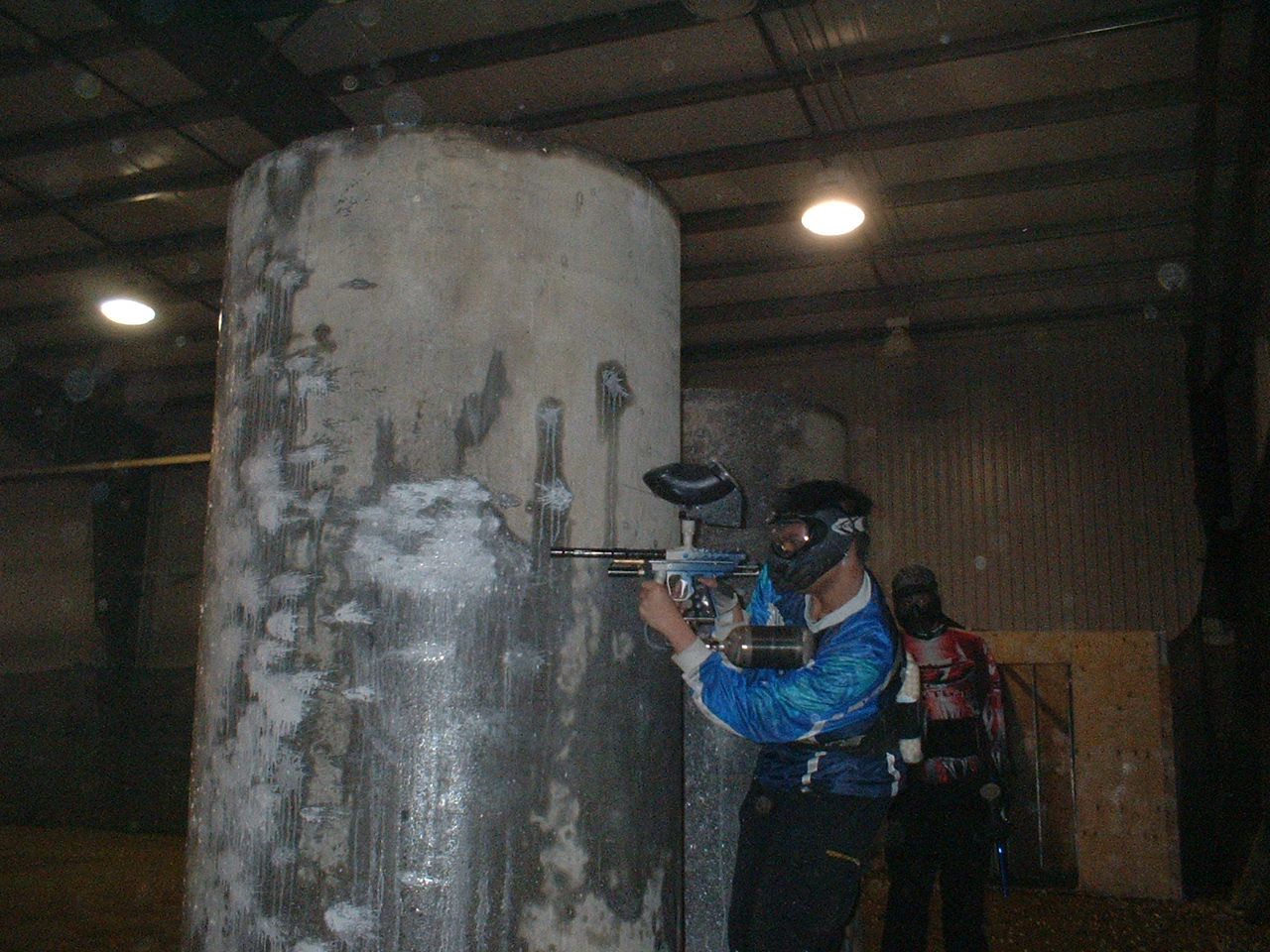
So you are going paintballing. Good call. This guide covers everything a first-timer usually wonders about, from booking to the drive home. It is the 2026 version of what this site has been telling new players since 2002.
Pick a field and book
Search for paintball fields near you and look at their website or call. You will usually see two options:
- Walk-on play: show up on an open day and get mixed into games with other players. Great if you are going alone or with a couple of friends.
- Private group booking: your group gets its own referee and field time. Best for birthdays, bachelor parties and work events.
Check the field’s age rules before you book. There is no universal minimum age: some states, provinces and countries set age or parental-consent rules, and each field adds its own. Many set the minimum for standard paintball somewhere around 10 to 12, and some offer low-impact sessions for younger kids. Anyone under 18 will need a parent or guardian to sign the waiver.
What it costs
Prices vary a lot by region and by field, so treat this as a rough guide. Most fields sell a package that includes entry, a rental marker, a mask, air and a starter bag of paintballs. In the United States, a basic first day often lands somewhere around 40 to 100 dollars per person, and the big variable is how much extra paint you buy. Paint is usually sold in bags of 500 or boxes of 2,000.
A few ways to keep it reasonable:
- Ask whether the package includes paint and how many balls.
- Do not hold the trigger down. Aimed shots win more games and cost less.
- Many fields require you to use paint bought at the field. That is normal at commercial fields, so plan to buy your paint there.
What to wear
- Long sleeves and long pants you do not care about. Paint washes out, but dirt and grass stains may not.
- A hoodie or a couple of light layers. A hood adds padding on your neck and the back of your head.
- Shoes with good grip, like trail runners or boots. You will be running on dirt, grass and mud.
- Gloves if you have them. Hits on the knuckles are the ones people remember.
- A hat or bandana under the mask if you sweat a lot.
Skip shorts, anything loose that snags, and your favourite clothes.
What to bring
- Water, more than you think you need
- Snacks or lunch, if the field does not sell food
- A change of clothes and a plastic bag for the dirty ones
- A towel or wet wipes
- Sunscreen for outdoor fields
- Your own mask, only if it is a proper paintball mask that meets the ASTM F1776 standard (fields may check)
The safety briefing
Every good field starts the day with a safety briefing from a referee. Listen to it. The rules are simple, and they are why paintball is so safe when it is played at a proper field.
- Masks on in every playing area, always. Never lift your mask on the field, even if it fogs. Tell a referee and walk off with your mask on.
- Barrel cover on outside the field. Whenever you are not in a game, the barrel cover (also called a barrel blocking device) stays on and the marker stays on safe.
- Chronograph check. Every marker is tested to make sure it shoots below the field’s speed limit, usually around 280 to 300 feet per second.
- No blind firing. Only shoot at what you can see.
- Surrender rules. Many fields have a close-range rule: if you get within a set distance of an unaware opponent, you call on them to surrender instead of shooting.
- Listen to the referees. Their call is final.
How a game works
Your group is split into two teams, usually marked with coloured armbands. Each team starts at opposite ends of the field. The referee calls the game on, and you play until one team is eliminated, a flag is captured or time runs out. Our How do you play paintball? article explains the common game types, and Types of paintball explains the bigger formats.
When a ball hits you and breaks, you are out. Raise your hand or marker over your head, call out “Hit!”, put your barrel cover on and walk off the field to the dead box. If a ball hits you and bounces without breaking, you are usually still in. If you are not sure, ask a referee for a paint check.
Does it hurt?
Honestly, a bit. A hit feels like a hard flick or a snap from a rubber band, and it can leave a small welt or bruise, especially on bare skin or at close range. The sting fades in seconds and the adrenaline covers most of it. Layers help a lot. If you are worried, ask about low-impact paintball, which uses smaller balls that hit with less than half the energy.
The serious risk in paintball is to eyes, which is exactly why the mask rule is never relaxed.
Tips for your first games
- Stick with a buddy. Two players covering each other beat four players acting alone.
- Move. Players who sit in the starting bunker all game get surrounded.
- Talk. Call out where opponents are. Communication wins more games than accuracy.
- Watch your sides. Tunnel vision is the most common way to get eliminated. Read Stay focused.
- Be a good sport. Do not keep shooting someone who is already out, and do not wipe hits. Everyone has more fun.
After the game
Return your rentals, clean the paint off your mask lens with water and a soft cloth if you brought your own, and wash your clothes. Paintball fill is water-soluble and comes out in the wash.
If you had a good time, the next step is not buying a marker. Play a few more times first. Our archive article Top 5 things to do before buying your first marker explains why, and its advice has not changed since 2003.